
- Critical thinking and academic research: Students develop the ability to analyse information, construct logical arguments, conduct independent research, and express well-founded viewpoints.
- Academic English proficiency: Students use English confidently in academic environments, demonstrating strong reading, presentation, and discussion skills.
- Interdisciplinary knowledge and thinking: Students develop deep understanding while connecting knowledge across disciplines to address real-world challenges.
- Global problem-solving skills: Students learn to propose solutions to real-world issues in the context of modern society and global challenges.
- Global citizenship and community contribution: Students respect diversity, understand multicultural perspectives, and actively contribute value to their communities.
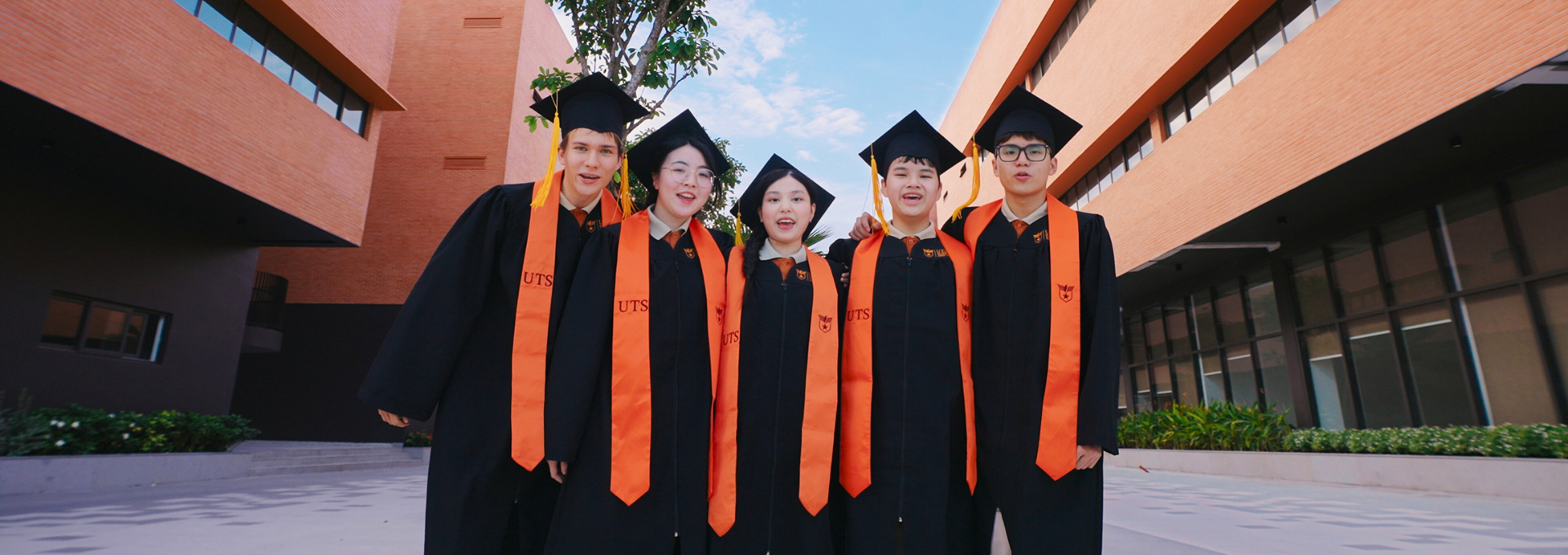
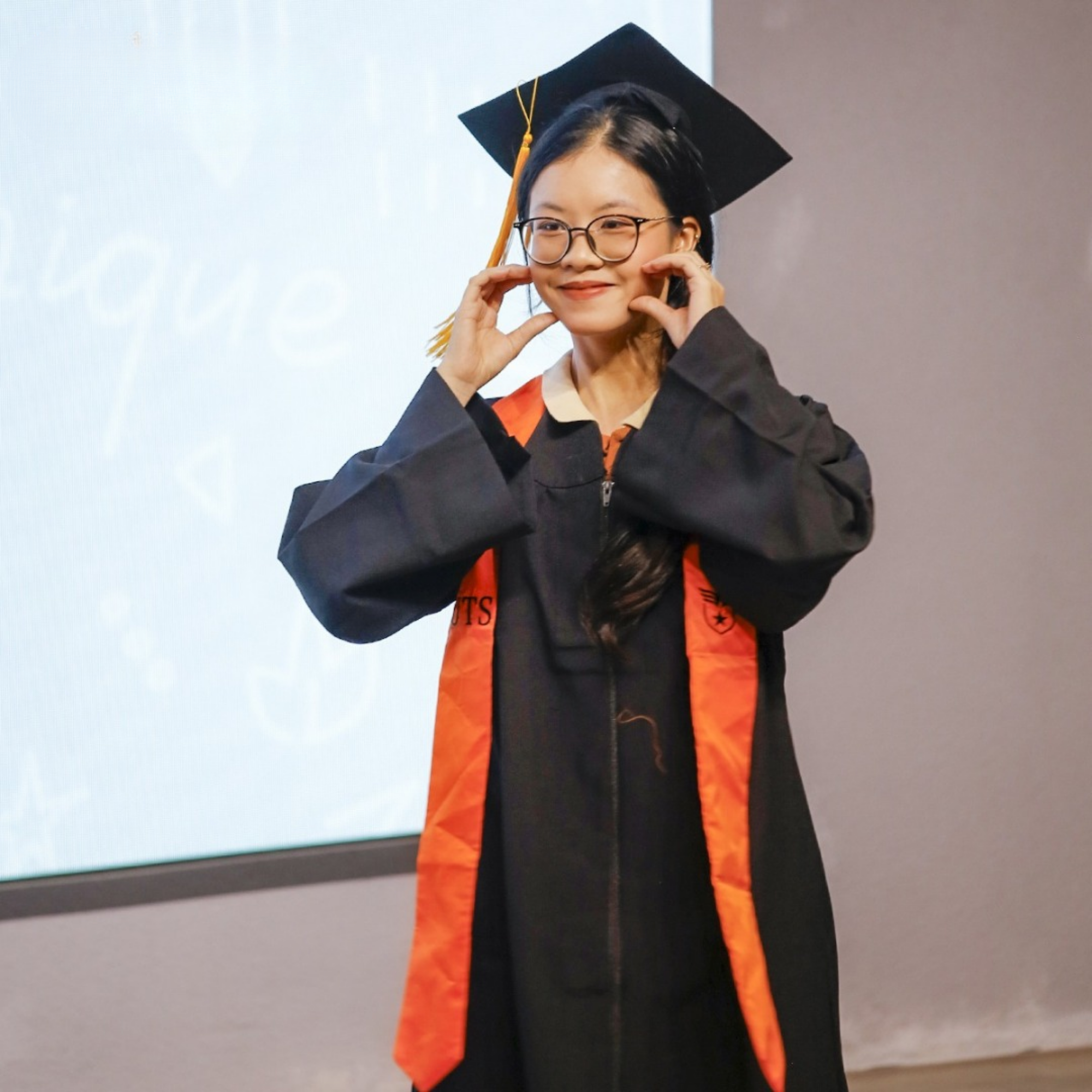
High School
Learning outcomes
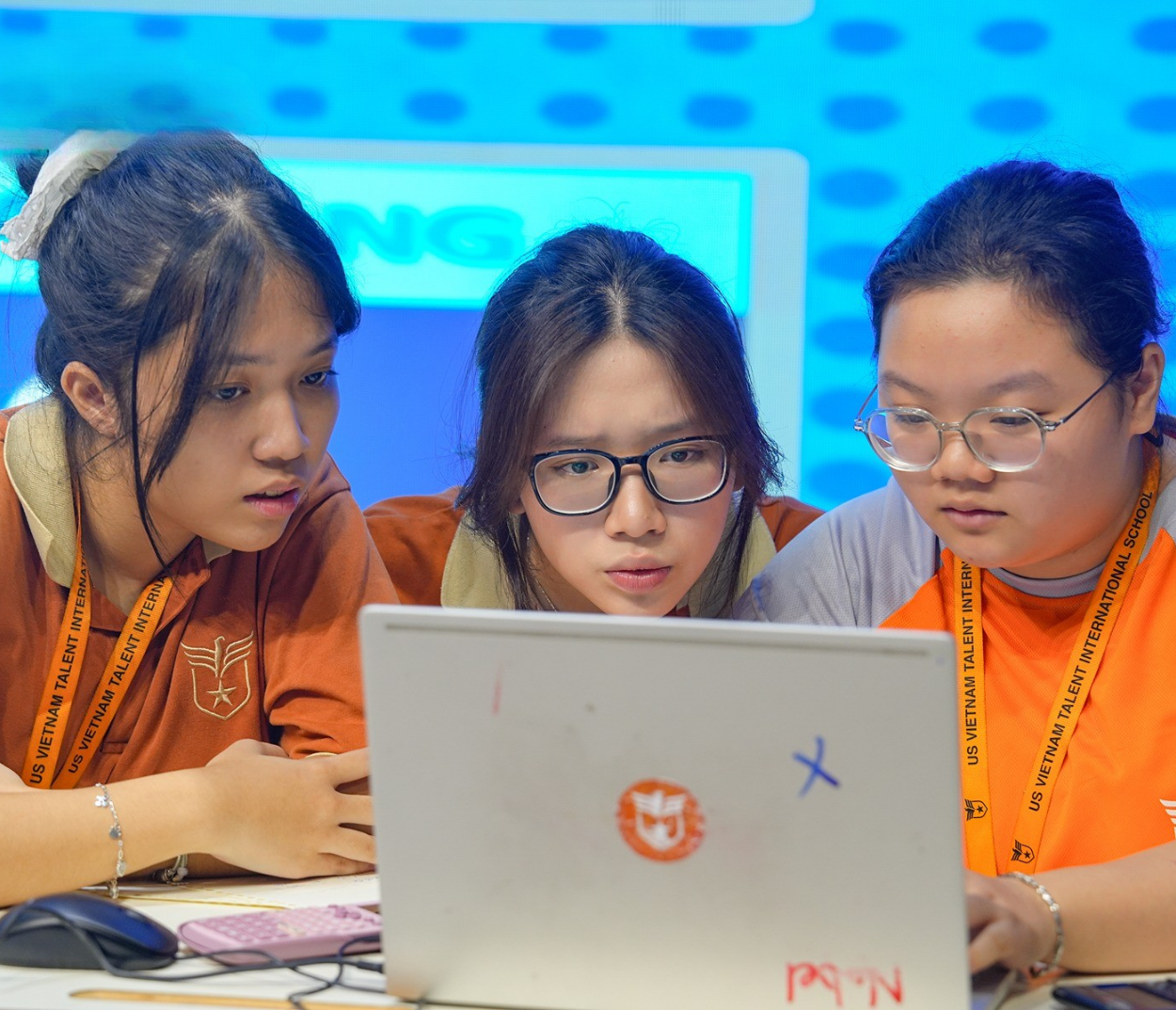
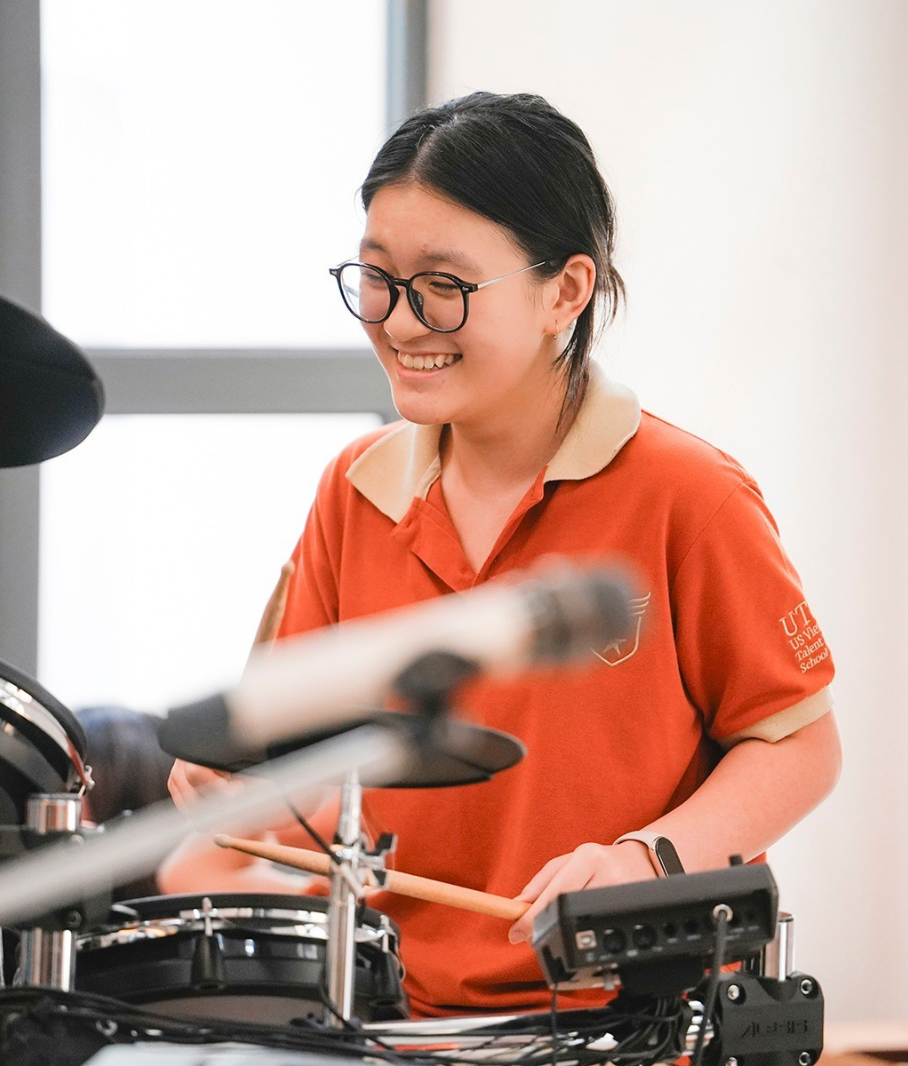
Curriculum
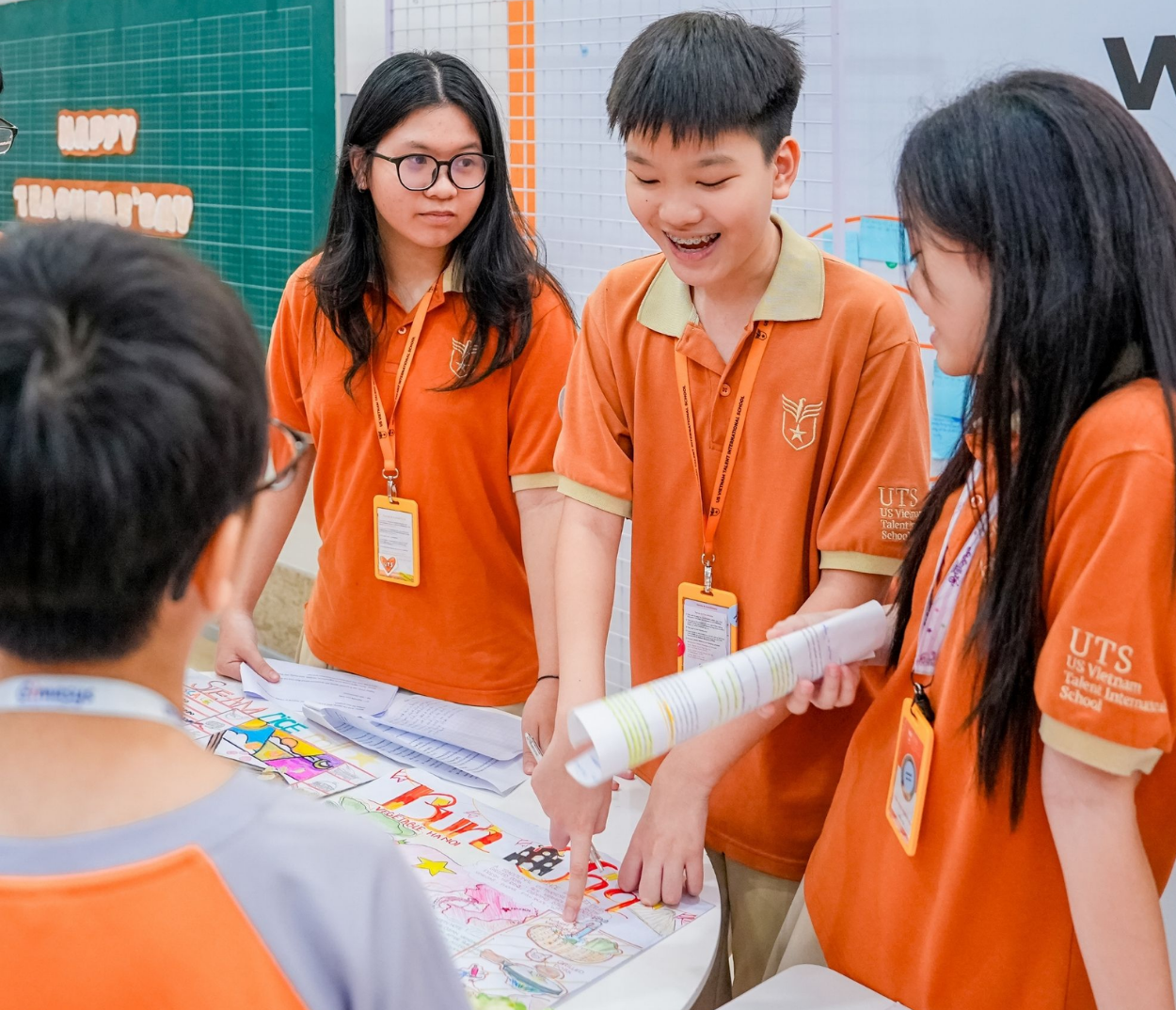
At High School level, UTS offers two flexible learning pathways designed to accommodate students’ academic abilities, personal interests, and university aspirations, while ensuring a clear and strategic progression toward higher education.
| Bilingual Pathway | Lộ trình quốc tế | |
|---|---|---|
| Core academic program |
International Secondary Program GCSEs (Grade 9 – 10) International Advanced Level Program A-levels (Grade 11 – 12) |
Differentiated instruction based on language proficiency. |
| Extracurricular Program |
Students develop holistically through the “Beyond Learning” educational approach | |
International GCSE Program (Grade 9 – 10)
The GCSE program is an international qualification designed for students aged 14–16 whose first language may not be English. It also serves as a certification of completion for the UK Lower Secondary stage. Upon completing GCSEs, students gain a solid academic foundation to progress to advanced program such as A-levels.
International A-level Program (Grade 11 – 12)
International A-levels are advanced secondary qualifications designed for students aged 17–18. Widely recognised in global university admissions, A-levels open opportunities for applications to leading universities, specialised program, and scholarships in countries such as the United Kingdom, the United States, Australia, and Singapore.
Differentiated English instruction
From High School, UTS implements differentiated instruction in English based on students’ language proficiency. This approach ensures that each student learns at the appropriate level and follows a personalised pathway for development. Instead of being grouped strictly by grade level, students are placed in classes according to their actual English proficiency. They study with peers of similar levels through customised learning pathways designed to support measurable progress.
With continuous monitoring, adjustments, and academic support, each lesson becomes a step forward in strengthening students’ academic English proficiency, enabling them to confidently use English in academic settings and pursue higher goals in their international learning journey
Advanced Placement
AP (Advanced Placement) is an advanced academic program for high school students designed and administered by the College Board, a prestigious educational organization in the United States. The program offers university-level courses that allow students to explore subjects in greater depth while earning college credits in corresponding subjects when they enter university.
The AP program is widely implemented in many countries around the world. Each AP subject is equivalent to a first-year university course, enabling students to develop critical thinking, advanced academic skills, and strong independent learning abilities.
A day at UTS High School
07:00 - 07:30
The day begins
08:00 – 11:40
Curiosity unfolds
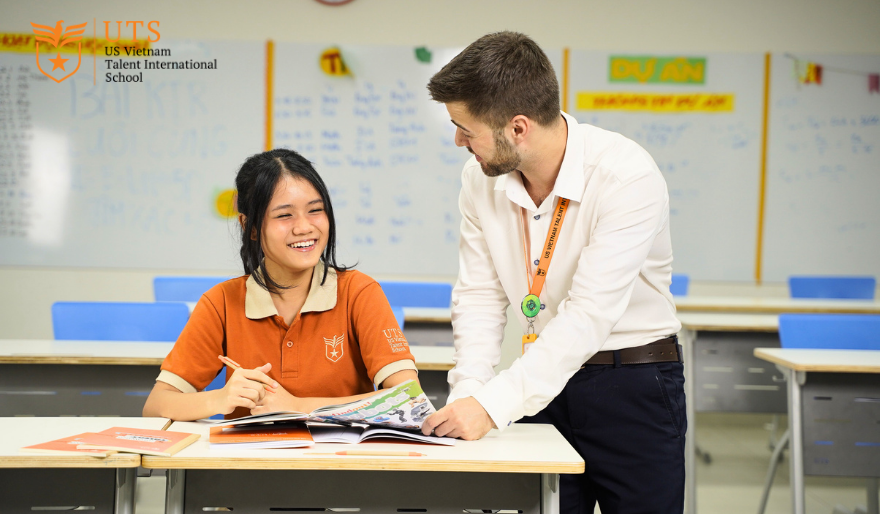
11:45 – 13:00
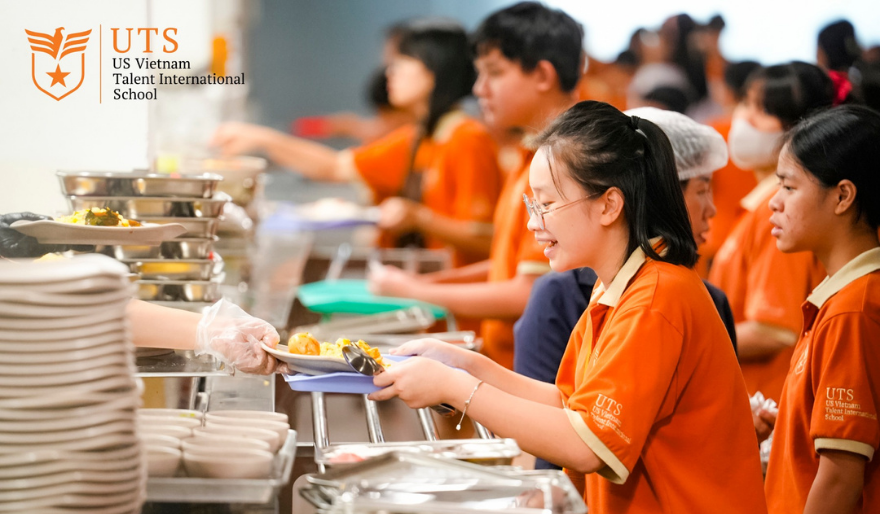
A moment to recharge
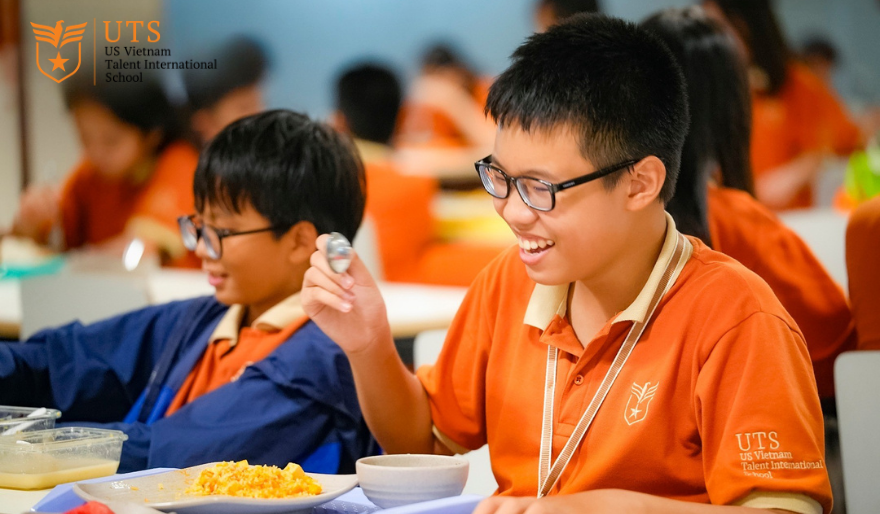
13:00 – 14:00
Clubs time
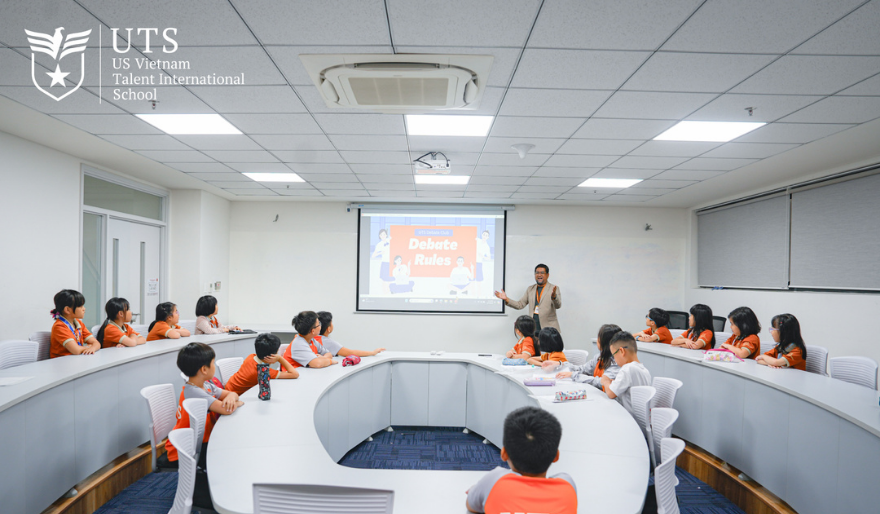
14:00 – 16:30
Passion projects
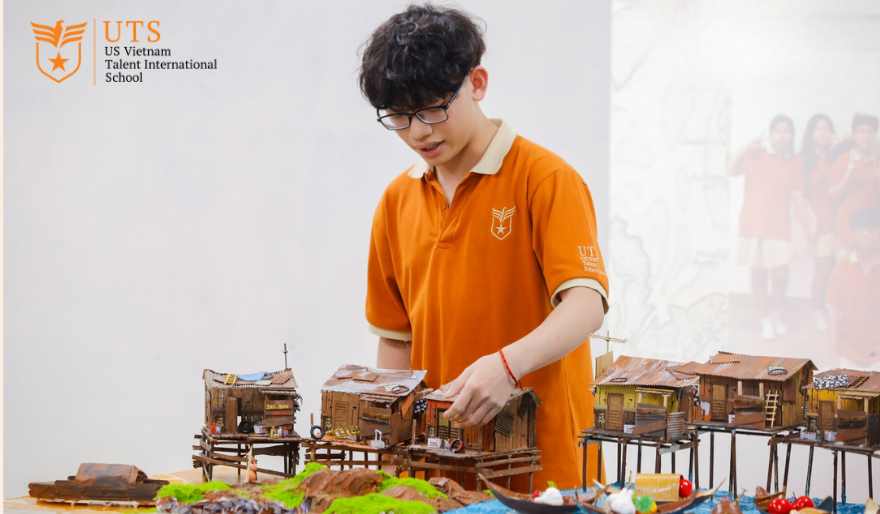
16:30 – 17:00
Home time
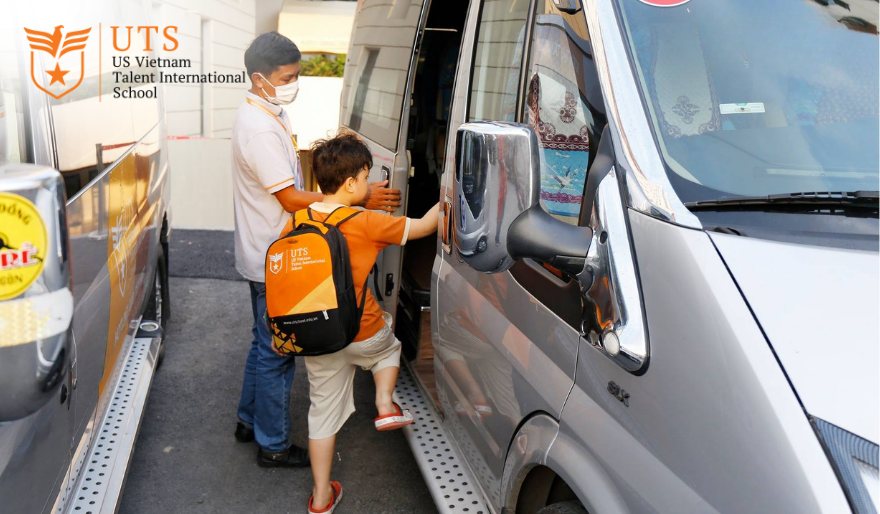
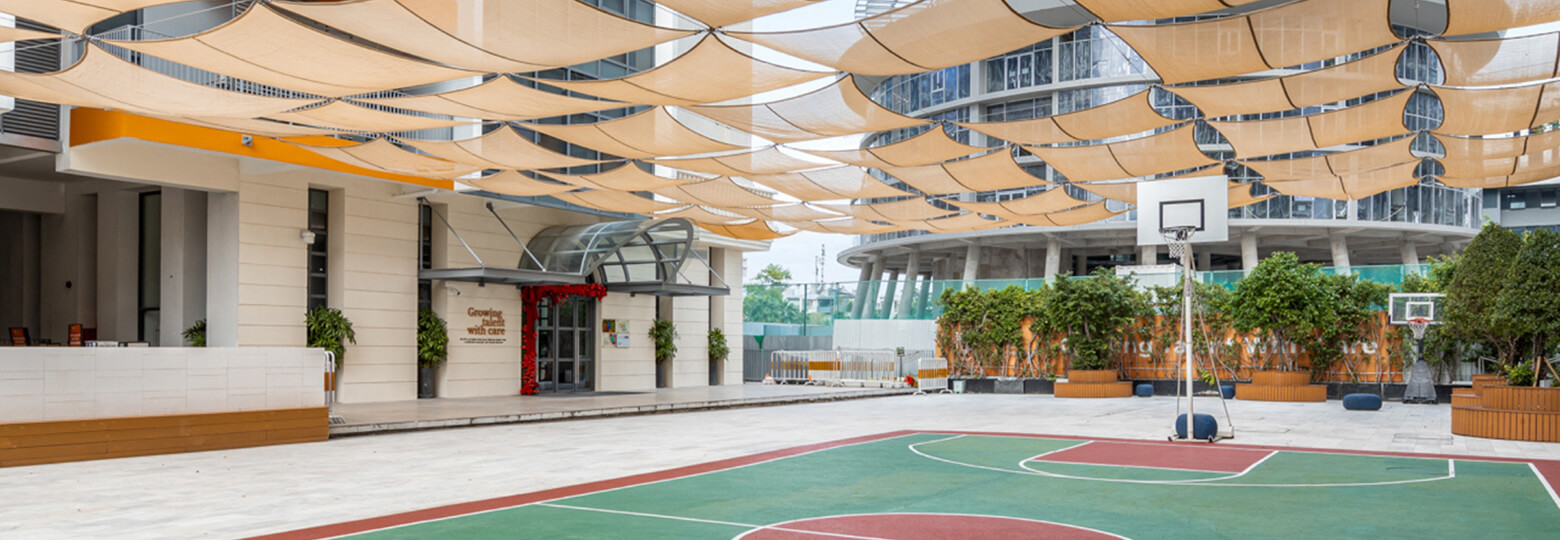
Discover UTS
UTS provides a safe and modern learning environment where every student is inspired to explore their potential and grow holistically.
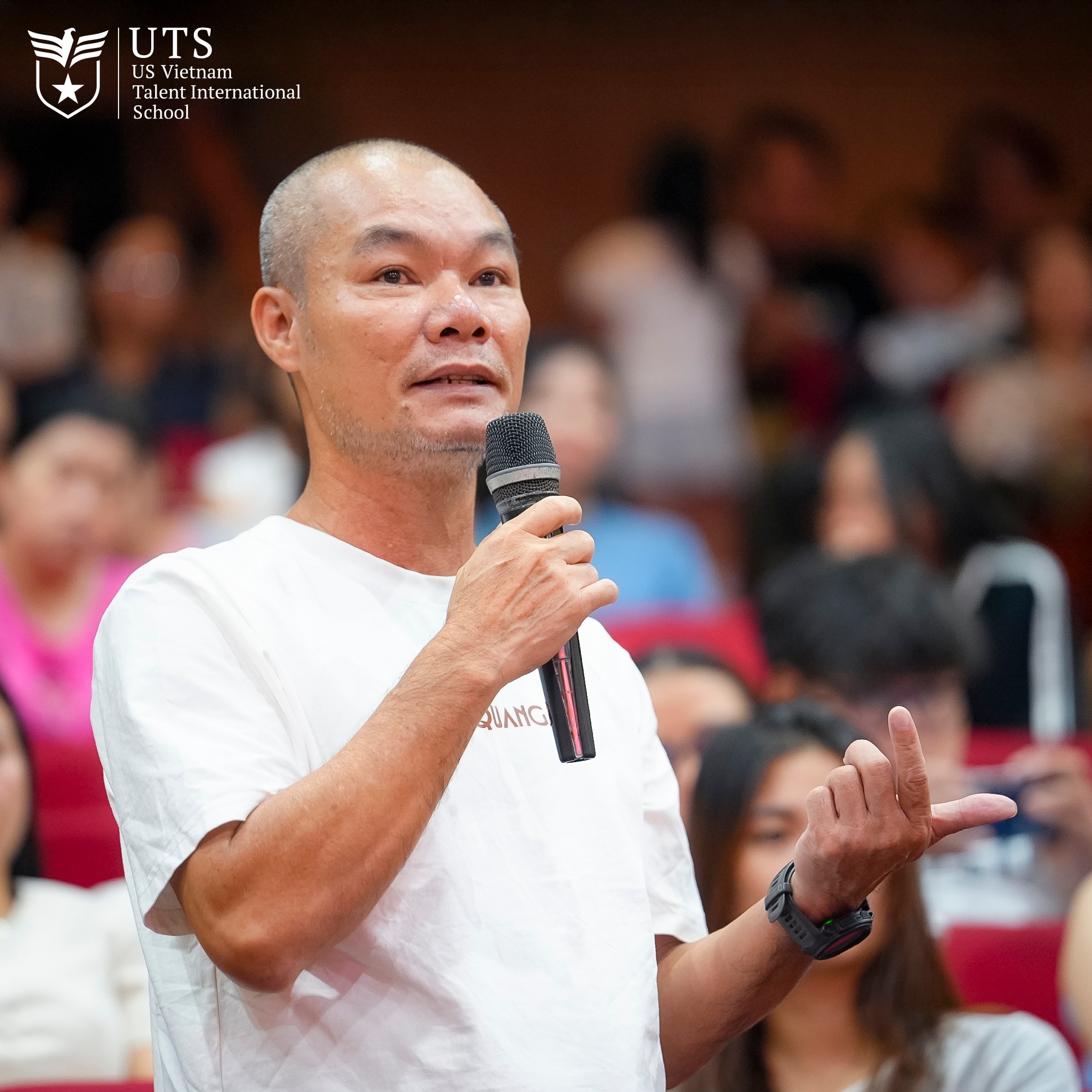
Sharing from UTS Community
Mr. Hoang Long
UTS' parents
Upcoming events
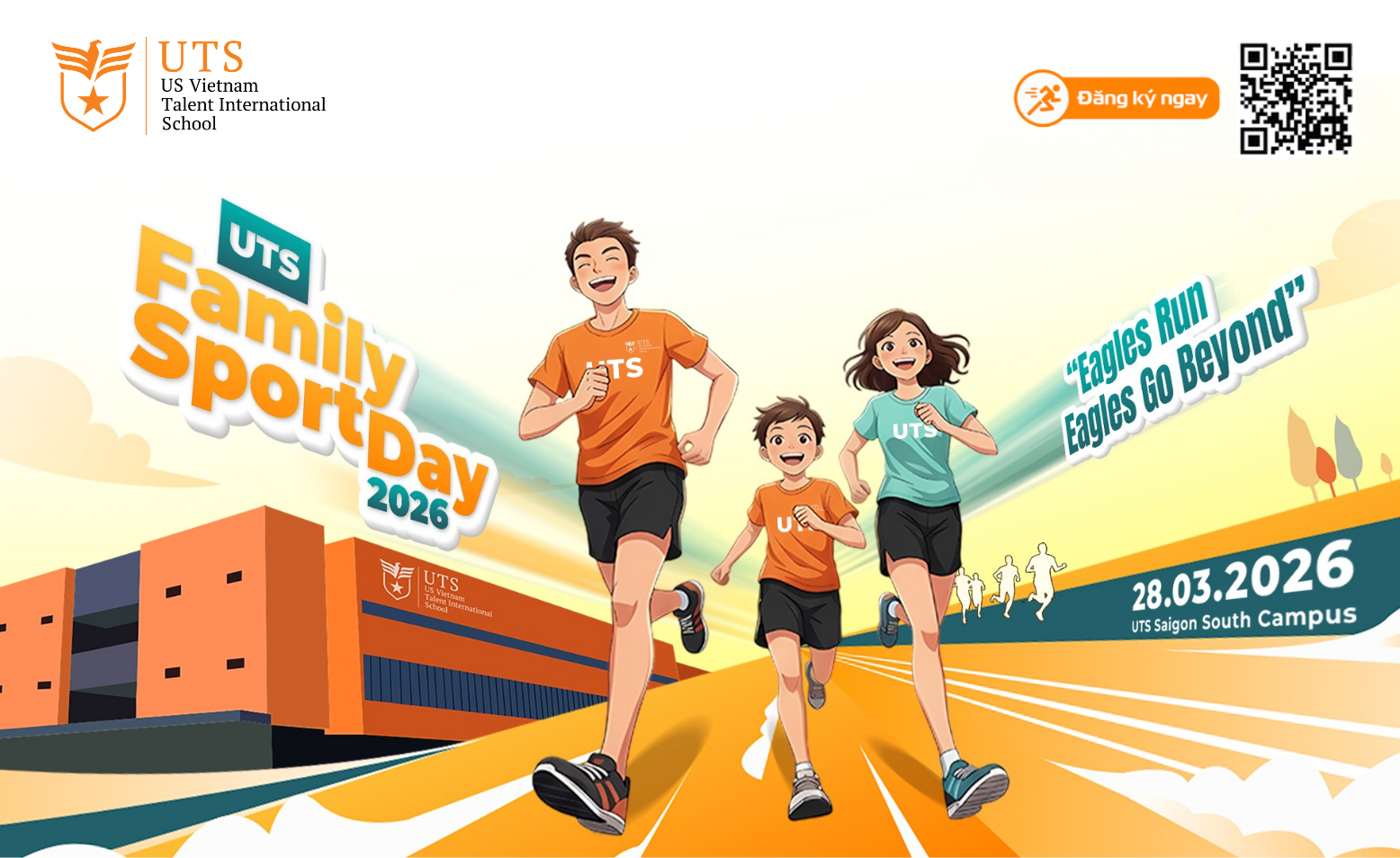
UTS Family Sport Day 2026 “Eagles Run, Eagles Go Beyond” officially returns
-
Time: 06:00 - 10:00
-
Level: All level
-
Campus: UTS Saigon South Campus
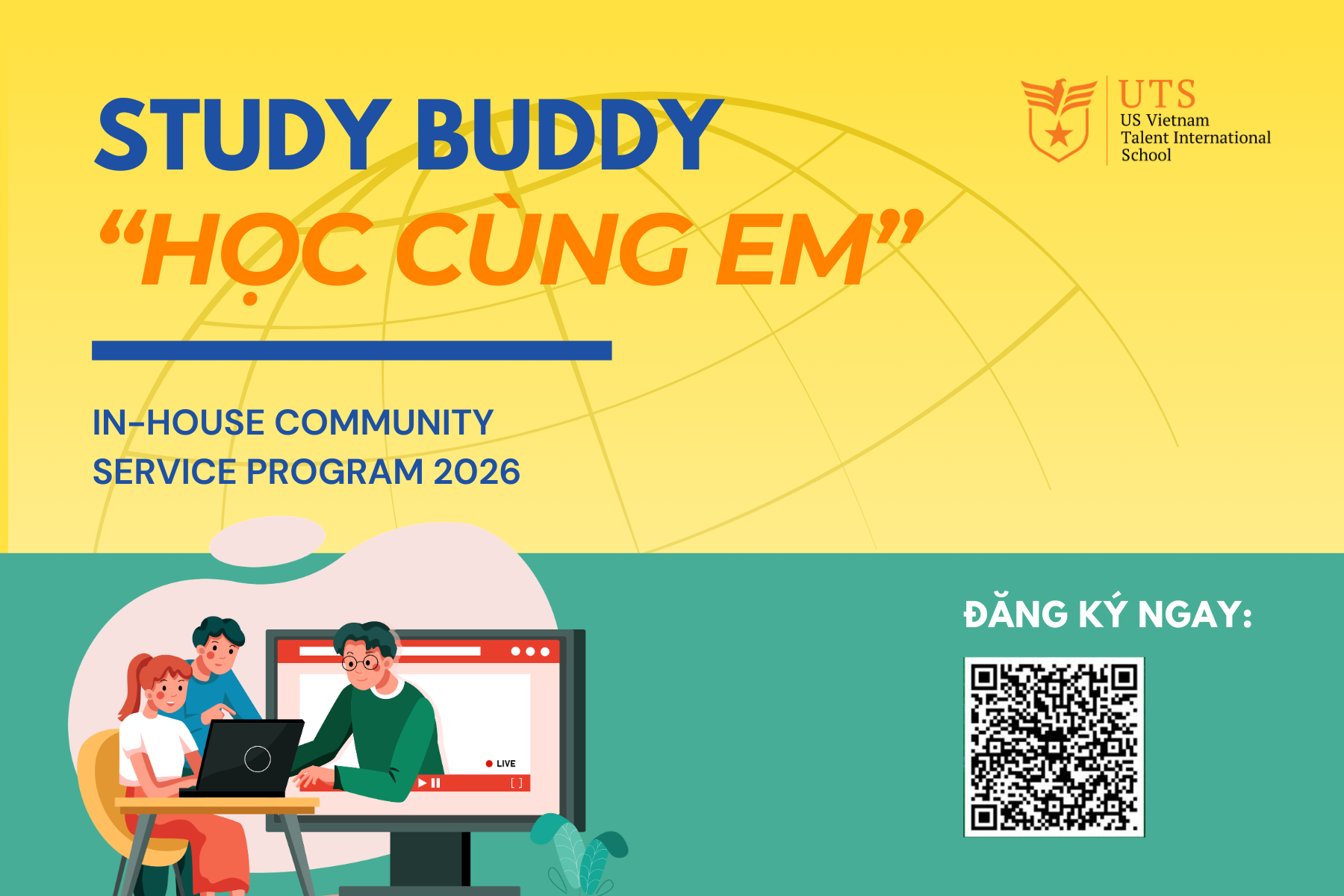
Study Buddy Project 2026 – Spreading Kindness with UTS Student Council
-
Time: 16:30 - 17:00
-
Level: High School
-
Campus: UTS Van Lang Campus
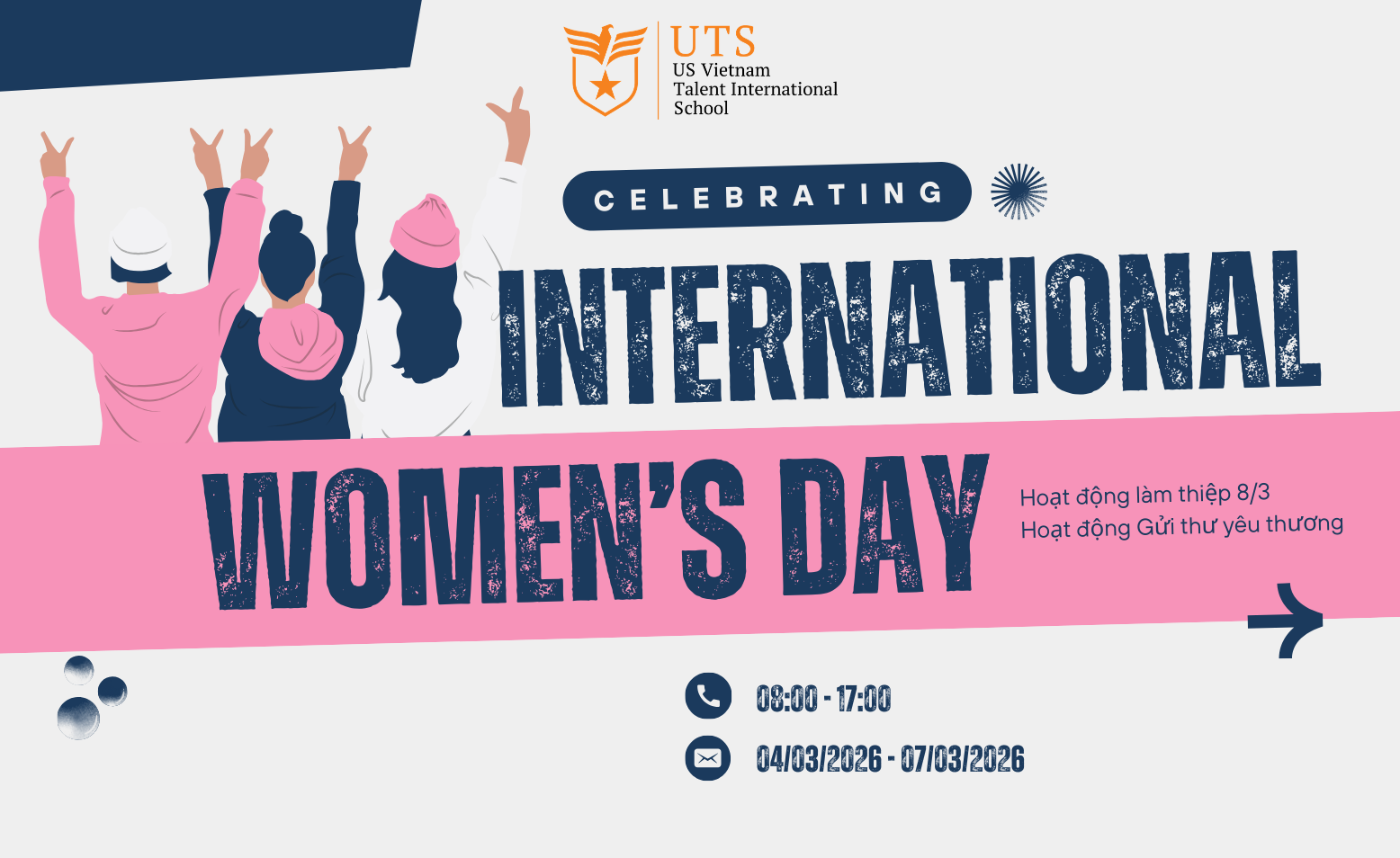
International Women’s Day Celebration Week
-
Time: 08:00 - 17:00
-
Level: All level
-
Campus: UTS Van Lang Campus
Register for consultation